Table of Content
"If you're not home when there's a bad storm and the power goes out, a standby generator comes on automatically," says Koether. Gas-powered generators can produce carbon monoxide, an odorless and deadly gas. To avoid carbon monoxide poisoning, never use a generator indoors or in an enclosed space. Be sure to keep it at least 20 feet away from your home’s windows and doors and make sure you have a carbon monoxide detector nearby.

One big downside of propane is that the tank can’t always maintain enough pressure to keep the fuel flowing in very cold temperatures. To avoid this problem, homeowners in cold climates must make sure to refill their propane tanks when they’re at least one-quarter full, according to Ehrhart Energy. Use a heavy-duty, three-pronged extension cord rated for outdoor use to plug appliances directly into the generator, and make sure it's the right size for what you want to power. This will give you a rough estimate of how much power you’ll need to keep your home running during an outage. These are all important questions to answer before choosing a generator size. Are you in the region where you can’t tell when or how a storm will happen?
Don’t Let High Utility Bills Pick Your Pocket
Generator maintenance is a very multifaceted thing that requires certain knowledge and skills. If you want to know all about generators, the load test is the one thing worth getting to know. Please note that if there are several of them, it is better to connect them as the need for power increases.

If you don’t have an hour gauge, keep track of how many hours your generator has run to ensure you know when it’s time to change it. Once you know what kind of generator you’re looking for, consult product review sites, such as Consumer Reports, Popular Mechanics, and Wirecutter. These sites can tell you how different models perform in terms of power production, fuel use, reliability, noise, and user-friendliness.
How to Choose a Generator for Your Home
The first step to buying wisely is deciding how much power makes sense for you. First of all, place the generator in the place you want, taking into account all safety rules. Also, make sure it is well protected from rain or snow to avoid rusting or short circuits. First, make sure that all the cables you have chosen are perfectly suited for outdoor use and that they match the outlet you will be using. For example, if the outlet used is designed for 15 amperes, the appropriate cord is needed.
Get a standby generator if your power goes out frequently. Home standby generators restore power to the whole house right after a power outage. These generators are convenient because they turn on automatically once the power goes out and switch off on their own once the power is restored. Standby generators are not portable, so only buy this kind if your main concern is power outages. A midsize portable generator or small standby generator can produce between 5,000 and 8,500 watts of electricity. It can power everything a small portable generator can, along with extras like a computer, a portable heater, and a window air conditioner or fan for a gas furnace.
How to Choose the Right Size Generator for Your Home
However, if you have a very large home or your area gets hit with long power outages frequently, a generator with a large fuel tank may be the best choice. The size of your generator is directly related to how well it accommodates your home. When you are learning how to choose a generator size, there are multiple factors to consider. With the correct generator sizing, you can power everything that you need to remain safe and comfortable during a power outage.
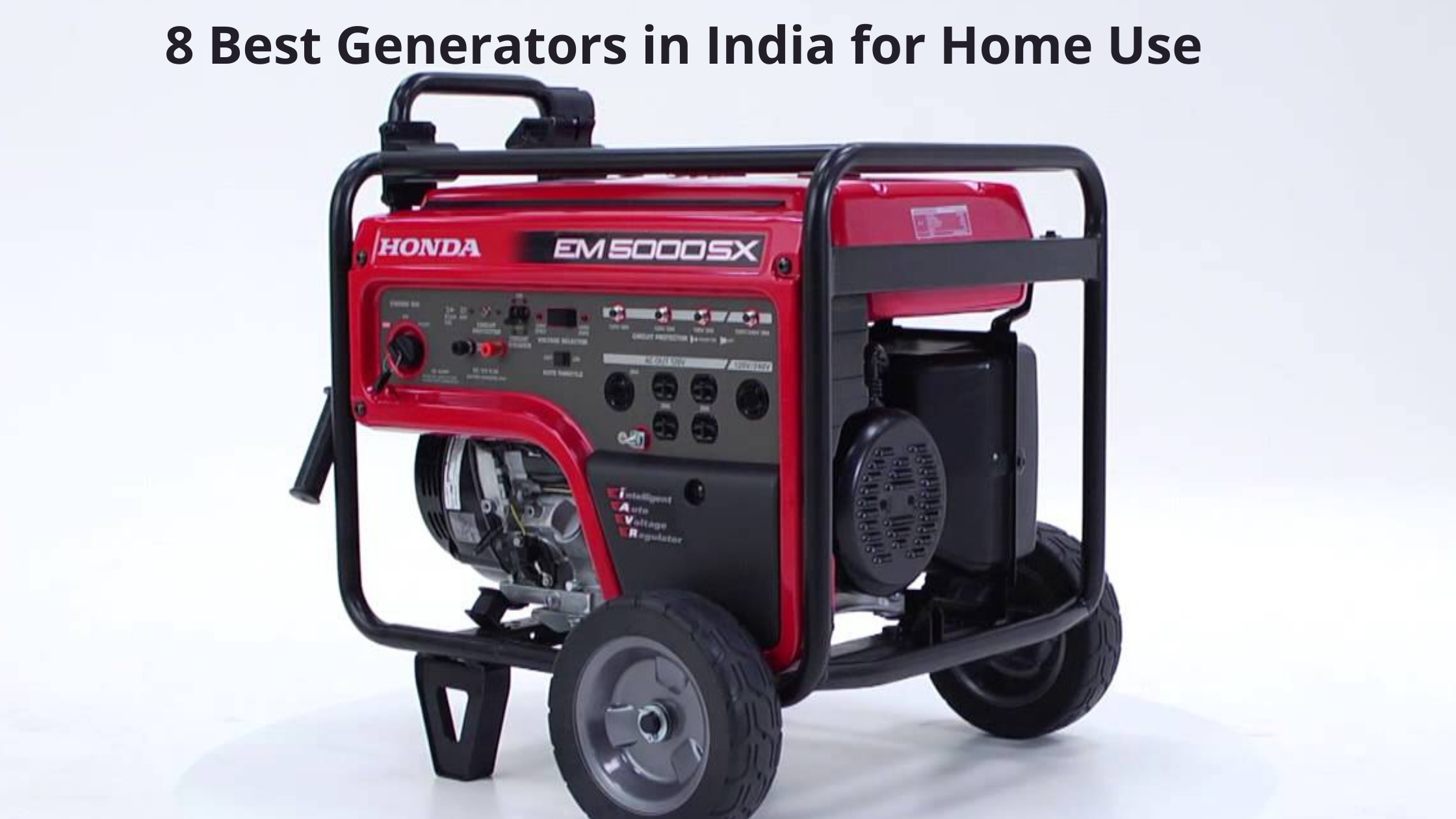
Whenever the electricity goes out, the automatic transmission switch starts the power flow instantly. You will not sense the blackout for a second for this generator—best for use in big construction sites, medical supports, and elevators. Maybe a whole home generator isn't the best fit, but you still want some emergency backup power.
The inverter generator is for them who love camping, love to tailgate. This lightweight generator is quiet and provides smooth power backup. It is a smart idea to use a generator as a backup source to end your struggle with darkness. There are different types of generators, and you will have to figure out which one will meet your requirements. After reading it, you will be able to make the best decision. You will have to look at the circuit breaker panel to determine the proper amperage.
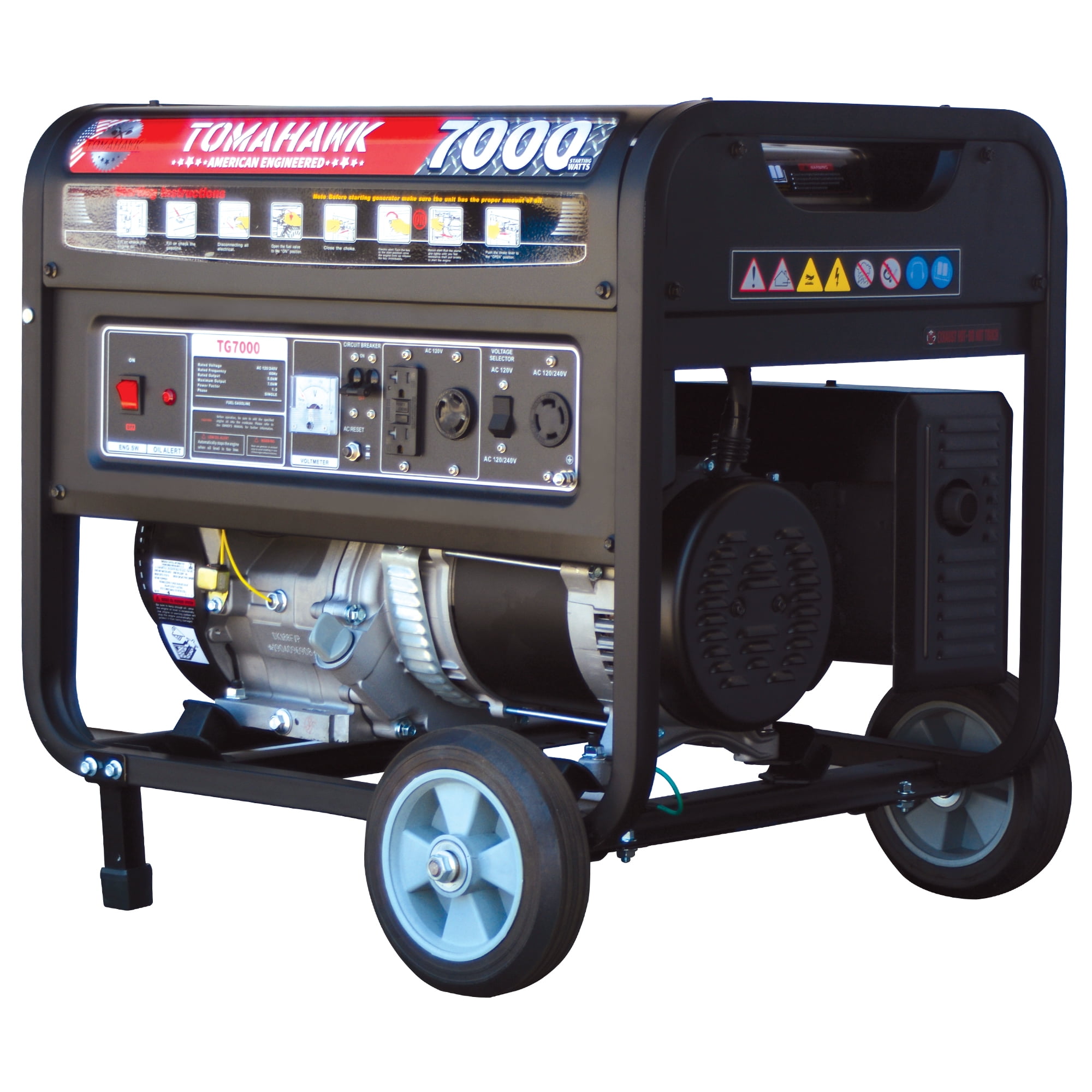
If you buy a stationary generator, you can simply call the contractor who installed it for you. However, when a portable generator breaks, you usually have to haul it into one of the manufacturer’s approved service centers to get it repaired under warranty. One advantage of a standby generator is that it will come on automatically, even if you’re not home when the power goes out. It provides emergency power for your home so you can keep all your vital systems online.
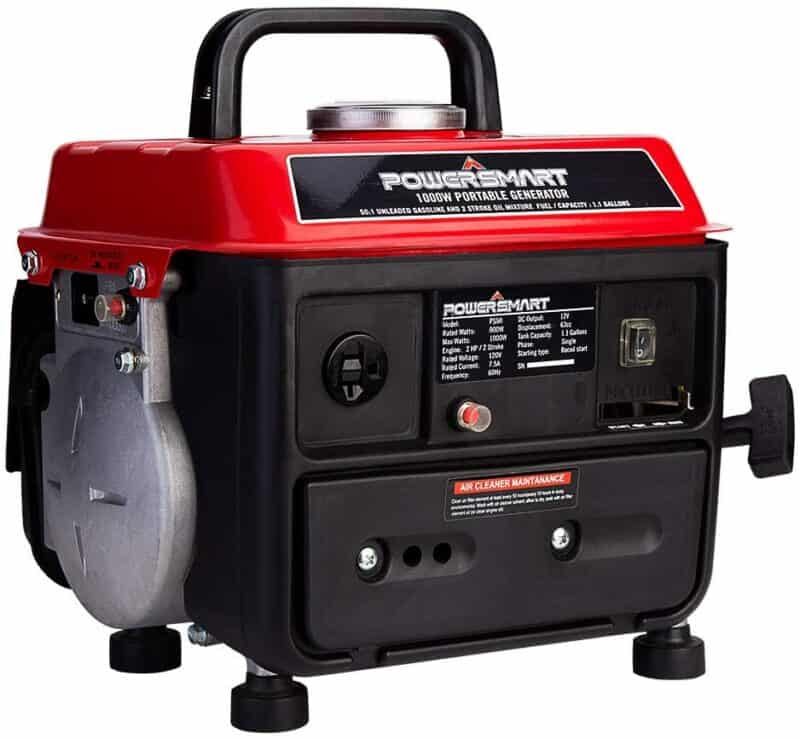
You can run different electric devices and gadgets like laptops, smartphones without any power lag problem. Just use this generator out from the house as this machine release carbon monoxide. If you are living in the area where power cut is frequent, then make a budget for a standby generator. This generator can provide backup power for the whole house in a power cut. When you are thinking of taking a portable generator, at first add up all the wattage of the appliances that you want to run the generator.
A mid-sized inverter generator is a great option for those looking for a backup power solution in a home that rarely experiences blackouts. Its ability to power pivotal appliances for relatively long periods of time will keep your mind at ease and your household up-and-running. The first thing you’ll want to consider when selecting a generator is wattage. Add up the wattage of everything you’ll want to power via your generator, be it during a power outage or in a place with limited or no electrical service.
If you do not experience long power outages or they do not happen often, a fuel tank with a small capacity will usually work for you. If you experience them frequently and you have an average-sized home, you should consider a medium-capacity tank. On average, you get 3,000 to 5,000 watts from a generator of this size. You can use it to run some emergency items during a power outage.

Correct generator sizing ensures that your generator can handle the capacity that you need. If you pick one that is too small, this can make the generator dangerous to use. Ensure that you are specific when you work to determine generator size for safety. So, this is all about how to pick a generator for home use. We hope you might have found out it useful and if want to buy generators for home use, feel free to check out our list of best generators for home. The only time a loud generator is going to be adequate is if it will be running on an effectively boisterous modern site.
This might include lights, a refrigerator, a laptop charger, a smartphone charger, a coffee maker, a toaster oven, a washing machine, etc. This calculation will give you a rough idea of the size of generator you need. The thing about the generator is quite disturbing is this type of generator creates noise while running.




No comments:
Post a Comment